Hamra Farm
The heart of DeLaval
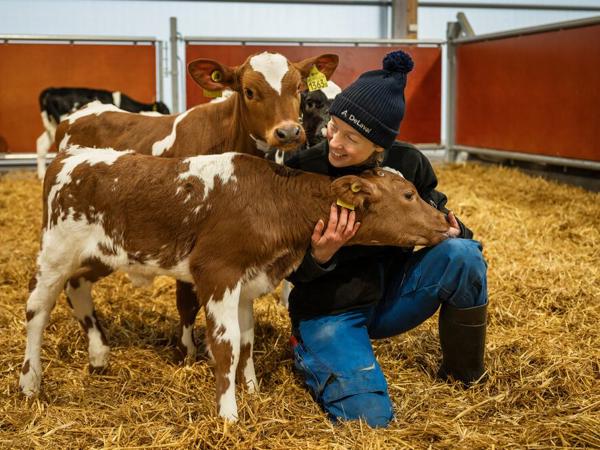
Farming is learned through experience – early mornings, harsh weather, and the realities of working with animals every day. By running its own dairy farm for generations, DeLaval develops equipment based on how farming works in practice, not how it looks on paper.
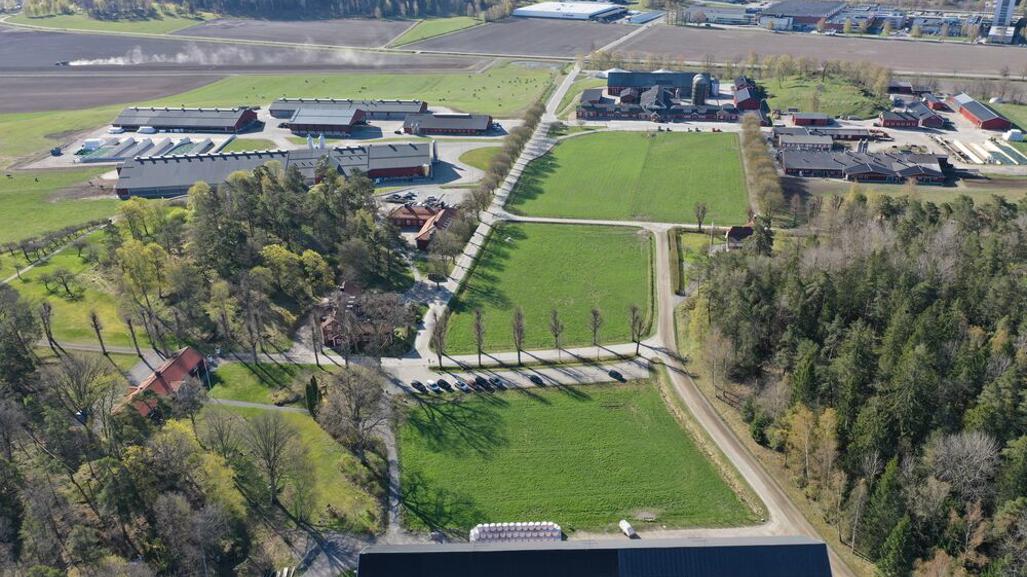
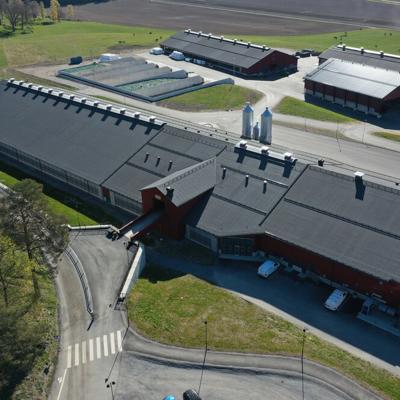
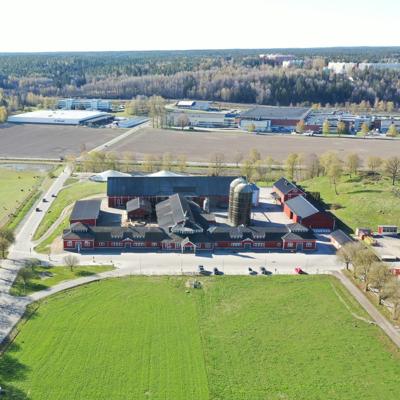
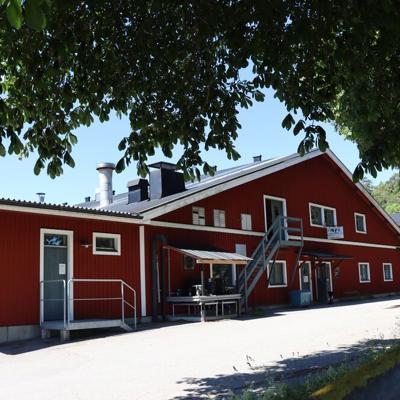
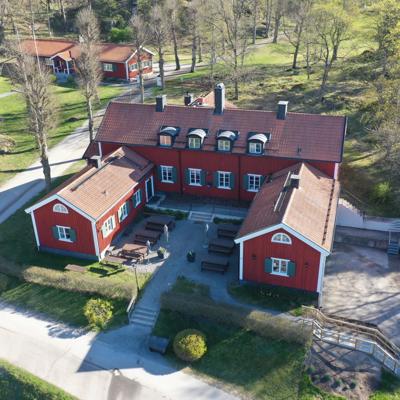
Located just south of Stockholm, Sweden, and adjacent to DeLaval’s global headquarters, Hamra Farm is a fully operational commercial dairy farm. It also hosts DeLaval’s Research and Development Centre and a Visitor’s Centre, offering guided visits with a view into the VMS barns.
Hamra Farm is recognised as one of Sweden’s leading dairy producers, averaging around 12,500 kilograms of energy-corrected milk (ECM) per cow each year – well above the national average. First and foremost, the farm operates commercially, supplying milk to Arla, while also providing a direct and continuous link between product development and everyday dairy farming.
Through close collaboration with DeLaval’s product development teams, universities, and research partners, work at Hamra Farm supports progress far beyond the farm itself, contributing to improvements across the global dairy industry.
A hub for innovation
Hamra Farm has been part of DeLaval’s history since 1894, when the property was purchased to establish a model farm dedicated to practical dairy development. From the outset, it was intended as a place where technology could be developed and evaluated under real production conditions.
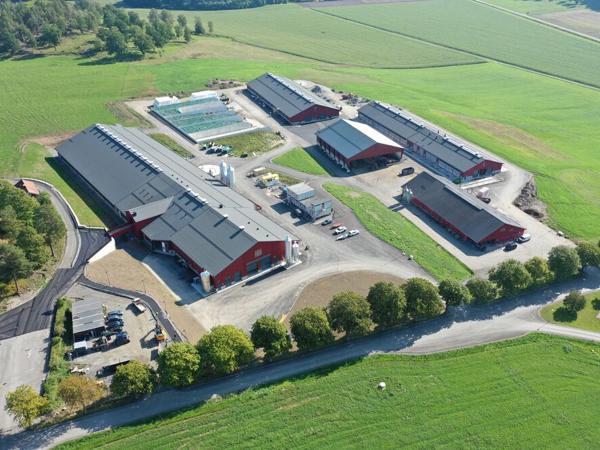
In 2025, Hamra Farm completed the largest expansion in its history, nearly doubling the number of milking cows from 260 to 550 and increasing the total herd to more than 1,000 animals. The investment strengthened both commercial performance and research capacity, while supporting a long-term increase in milk volumes supplied to Arla.
The new facilities cover around 12,000 m² and include:
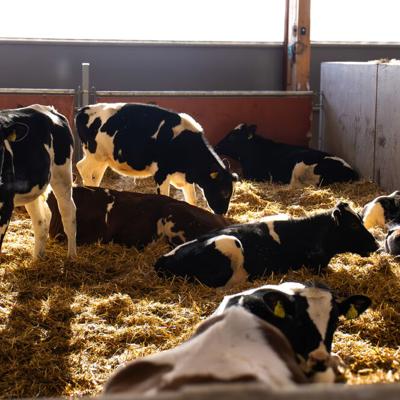
- a maternity and calf barn
- a dedicated heifer barn
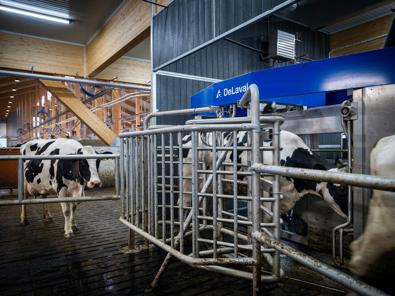
- a combined VMS barn and visitor centre, housing four DeLaval VMS™ V310 units and one VMS™ V300
Purpose-built for productivity, welfare, and sustainability
Productivity
The expansion enables higher milk production within a fully commercial operation, reflecting a focus on efficiency, resilience, and responsible growth.
Animal welfare
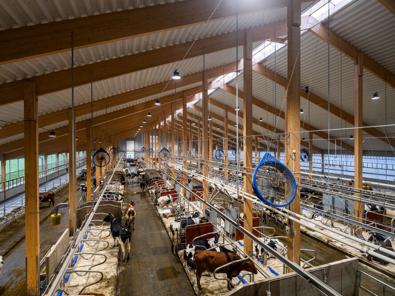
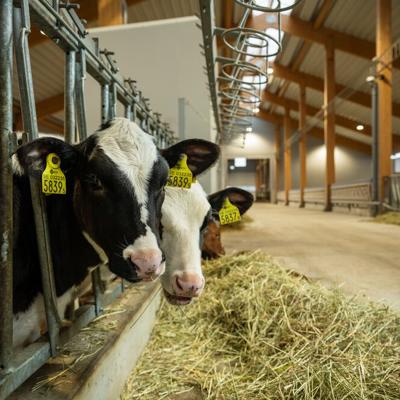
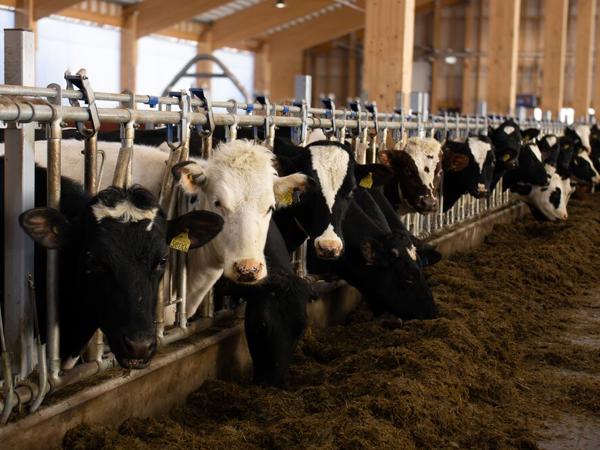
All barns are designed around herd needs, with purpose-built housing, smooth cow flow, comfortable bedding, cow brushes, advanced ventilation, and enhanced monitoring supported by DeLaval technologies and DeLaval Plus services.
Sustainability
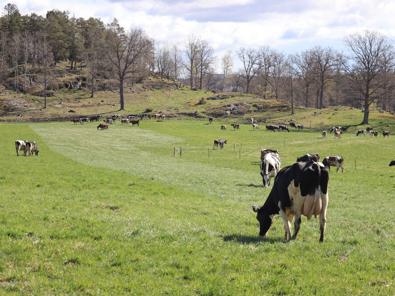
Hamra Farm operates within a closed nutrient cycle, growing its own feed crops and returning manure to the same fields to support soil health. New buildings were developed within the existing footprint, with energy-efficient infrastructure, optimised water use, improved manure management, and strengthened biosecurity.
Location
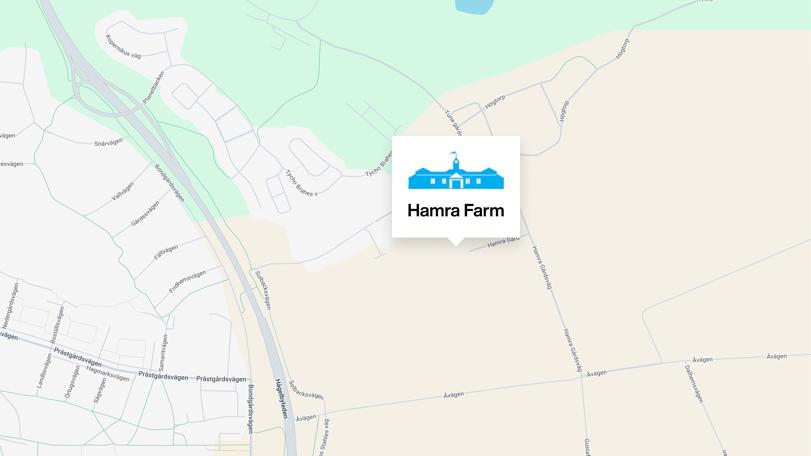
Hamra Farm is located next to DeLaval’s global headquarters in Tumba, just south of Stockholm.
Gustaf de Lavals väg 15, Tumba
+46 (0) 8 530 660 00
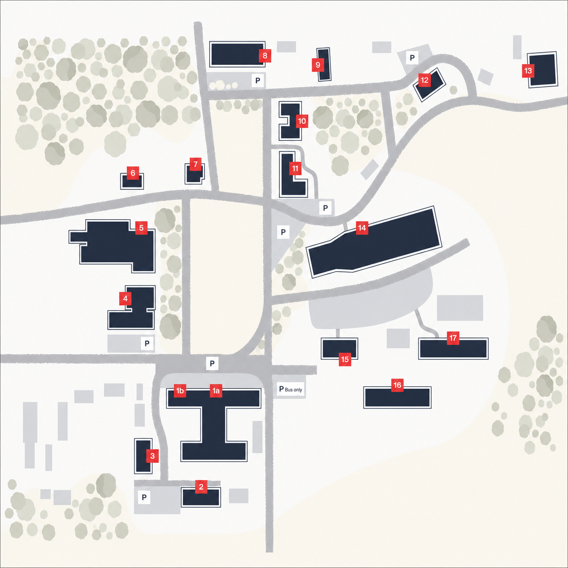
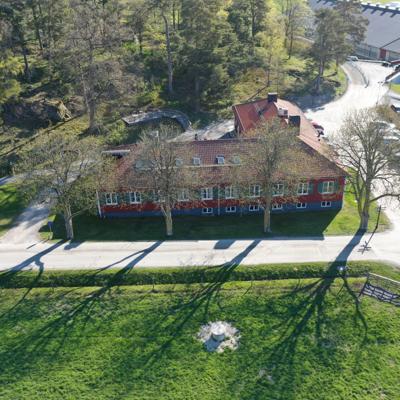
Key buildings at Hamra Farm
Hamra Farm overview
Lorem ipsum dolor sit amet consectetur. Amet a sit enim convallis faucibus lectus dui. Semper penatibus interdum tellus aliquam potenti blandit ullamcorper donec diam. Neque viverra pulvinar vulputate diam maecenas turpis viverra. Lorem vitae rutrum dui duis ridiculus hendrerit neque et.
Map key
|
|
Herd development and crop management
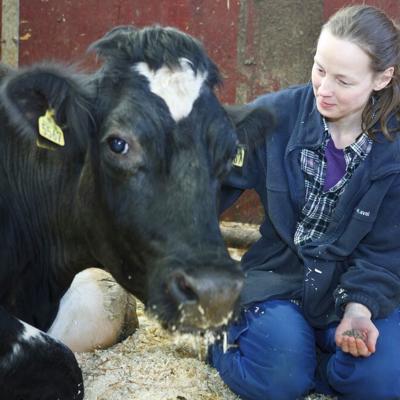
Hamra Farm’s dairy herd has evolved alongside its focus on innovation and long-term improvement. Originally based on Ayrshire cattle, the herd transitioned over time to Swedish Red and White (SRB), and today is evenly split between SRB and Holstein cows. Careful breeding over generations has strengthened genetics, improved performance, and increased cow longevity – supporting a productive and resilient dairy operation.
Alongside dairy production, the farm manages extensive crop cultivation within a closed-loop system designed to minimise waste and external inputs. Across 1,153 hectares, crops are grown both for feed and for sale, using practices such as reduced tillage to support soil health. Manure from the farm is partly processed through a biogas facility, generating energy before returning to the fields as nutrient-rich fertiliser – completing the cycle from soil to feed, to cow, and back to soil again.